Corporate flower subscriptions for Notting Hill retailers
Posted on 03/11/2026
Walk down Westbourne Grove on a good morning and you notice it straight away: the shops that feel calm, polished, and alive usually have something simple working in the background. Fresh flowers. Not the overdone kind that shouts for attention, but the kind that makes a boutique window look cared for, a salon reception feel warmer, and a cafe counter seem just a little more inviting. That is the real appeal of corporate flower subscriptions for Notting Hill retailers. They give local businesses a reliable way to keep displays looking considered, week after week, without the last-minute scramble.
If you run a retail space in Notting Hill, you already know the area has its own visual standard. Customers here notice detail. They notice if a window feels tired on a rainy Tuesday. They notice if the same arrangement has been there a little too long. This article breaks down how flower subscriptions work, what they cost in practical terms, who benefits most, and how to choose a setup that actually fits your shop instead of becoming another thing to manage. No fluff. Just the useful stuff.
Quick expert take: A good flower subscription should feel like part of your shop's visual identity, not a separate delivery you have to babysit. The best ones are consistent, easy to refresh, and designed around your opening hours, customer traffic, and brand tone.
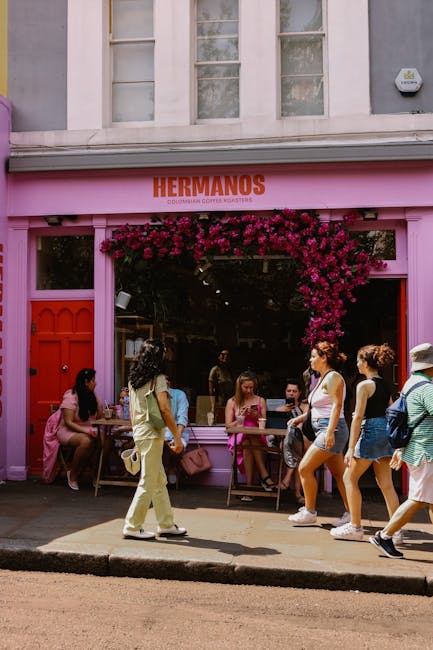
Table of Contents
- Why corporate flower subscriptions matter for Notting Hill retailers
- How the subscription model works in practice
- Key benefits and practical advantages
- Who this is for and when it makes sense
- Step-by-step guidance for getting started
- Expert tips for better results
- Common mistakes to avoid
- Tools, resources and recommendations
- Law, compliance, standards, and best practice
- Options, methods, and comparison table
- Case study or real-world example
- Practical checklist
- Conclusion
- Frequently asked questions
Why Corporate flower subscriptions for Notting Hill retailers Matters
Retail in Notting Hill is visual. That sounds obvious, but it matters more here than in many other parts of London. People browsing independent shops, galleries, beauty spaces, or premium lifestyle stores are often making quick judgments based on atmosphere before they even touch a product. A flower subscription helps shape that first impression in a way that feels subtle rather than staged.
There is also a practical side. Many retailers want the look of fresh flowers but do not have the time to source them every few days. Staff are busy with customers, stock, till work, styling, and the usual small chaos that comes with running a shop. A subscription removes that pressure. The arrangements arrive on a schedule, are designed to last, and can be planned around your shop's footfall. Simple, really. But the simplicity is the point.
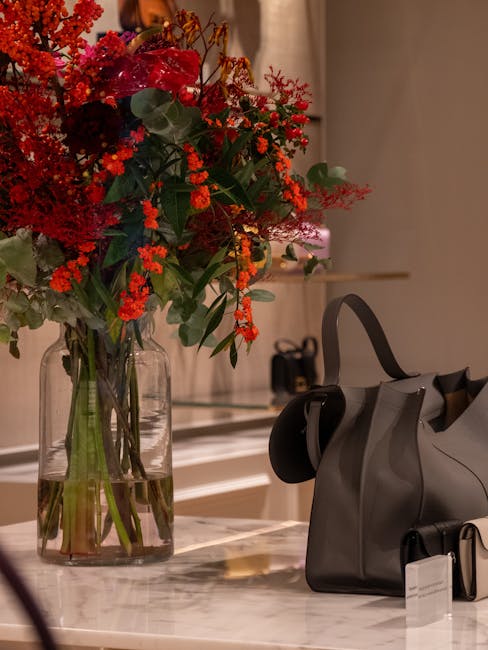
Notting Hill retailers also tend to work in spaces where presentation is part of the brand. A florist-style display in a clothing boutique, a compact arrangement on a beauty counter, or a statement vase near the till can all support the sense that the business pays attention. You want customers to feel that someone has thought about the details. Because they have. Or at least, they should.
And let's be honest, flowers do something that signs and posters cannot. They soften a room. They make a cold surface feel less transactional. They can lift the mood of a space on a grey London afternoon when the street outside is damp and everyone is walking a bit faster than usual.
How Corporate flower subscriptions for Notting Hill retailers Works
A corporate flower subscription is a recurring floral service arranged for a business rather than a one-off purchase. For retailers, that usually means regular deliveries of hand-picked arrangements in a style, size, and colour palette agreed in advance. The frequency may be weekly, fortnightly, or tailored to your trade pattern.
The process usually begins with a brief. That brief should cover your brand tone, the size of the display area, where the flowers will sit, and whether you want bright seasonal designs or something calmer and more consistent. For example, a fashion retailer may prefer sculptural arrangements with strong lines, while a homeware shop might want softer tones and a more relaxed finish. Same product category? Not always. Same floral choice? Definitely not.
After that, the florist typically sets a delivery rhythm and works from a standing order. This means you are not starting from scratch each time. You may still be able to tweak colours for seasonal windows, campaign launches, or special events, but the main structure stays in place. That is where the convenience comes from.
Many businesses also choose to combine their subscription with occasional one-off additions for launches, VIP evenings, or peak trading periods. In practice, that can mean a standing weekly arrangement plus an extra display for a press night or late opening. It keeps the look fresh without forcing you into a complicated system.
If you are already exploring broader business gifting or retail presentation options, it can help to look at the wider corporate accounts offer as a framework for how regular ordering and account management can work for your shop.
Key Benefits and Practical Advantages
The obvious benefit is visual consistency. Your space looks cared for, even on busy days when no one has had time to fluff a cushion, straighten a hanger, or wipe a counter. Fresh flowers create that steady sense of order without becoming intrusive. For retailers, that matters more than people sometimes admit.
There are also operational benefits. A subscription cuts down on the admin of repeatedly ordering flowers, checking availability, and coordinating last-minute purchases. You know what is coming, when it will arrive, and roughly how it will look. That predictability is useful for managers, shop owners, and anyone who would rather spend five minutes with a delivery schedule than forty minutes hunting for a replacement arrangement the day before a launch.
Another advantage is flexibility. A good subscription can be adjusted for seasonality, scent preferences, customer traffic, and space limitations. Small retail spaces in Notting Hill often benefit from compact but high-impact designs rather than oversized bouquets. That can save money and still look polished. To be fair, not every shop needs a giant arrangement in the window. Sometimes a small, well-placed vase says more.
Flowers can also support brand storytelling. A luxury boutique may use white and green stems for an elegant, restrained look. A gift shop might want mixed colours that feel cheerful and easygoing. A wellness studio may lean into calmer textures and softer tones. When the flowers match the environment, they stop being decoration and start being part of the customer experience.
Here is a quick practical summary:
- They improve first impressions at the front of the shop.
- They save time through planned recurring deliveries.
- They help retail spaces feel seasonal and alive.
- They can be tailored to your brand rather than chosen randomly.
- They reduce the risk of last-minute floral gaps during busy trading weeks.
Who This Is For and When It Makes Sense
Corporate flower subscriptions are not just for high-end flagships, though they certainly suit them. They are a strong fit for independent retailers, multi-site shops, beauty businesses, concept stores, galleries, cafes with retail elements, estate-style showrooms, and any business that wants its reception or display area to look consistently cared for.
They make the most sense when flowers are part of the customer journey rather than a one-off flourish. If your shop relies on atmosphere, dwell time, or visual merchandising, regular flowers can do a surprising amount of heavy lifting. A customer browsing scarves, skincare, or home fragrance will often linger a little longer in a space that feels calm and finished.
They are also useful when your team is stretched. If nobody has time to go out and source flowers every week, then a subscription is not a luxury. It is a sensible operational choice. Truth be told, the prettiest retail spaces usually have someone behind the scenes making good decisions early, not scrambling on Friday morning with two minutes to spare.
That said, there are cases where a full subscription may not be necessary. If your shop is very small, trades intermittently, or changes layout constantly, you may be better with a lighter schedule or a simpler arrangement style. The point is not to force flowers into every corner. It is to make them useful.
Step-by-Step Guidance
1. Define what you want the flowers to do
Start with the purpose. Do you want the arrangement to create impact in the window, soften the counter area, improve the customer waiting experience, or support a premium image? Be specific. "Make the shop nicer" is fair enough as a starting point, but it is not a brief.
2. Measure the space properly
Know where the flowers will sit, how much room you really have, and whether they need to be visible from the street. A tall statement arrangement near a window works differently from a low arrangement beside a till. Get the dimensions right early. It saves awkwardness later.
3. Set a realistic budget
Think in terms of ongoing value, not only one-off spend. A subscription should fit comfortably into your operating costs. If you need a lower budget, look for compact designs, simpler flower varieties, or a less frequent delivery cycle. A smaller arrangement that lasts and looks intentional is better than an oversized one that feels tired by midweek.
4. Agree on style and colour direction
Choose a palette that suits your shop, your seasons, and your merchandise. Retailers often do better with a defined look than with something wildly different every week. That does not mean boring. It means coherent. Soft whites, pinks, greens, purples, or mixed seasonal tones all have different effects. Pick one that supports your brand.
5. Set delivery timing around opening hours
This is one of those practical details that makes or breaks the experience. Deliveries should arrive when your team can receive them easily. If the flowers turn up during your busiest hour, they become a nuisance instead of a help. Small thing. Big difference.
6. Build in care instructions
Make sure the subscription includes guidance on water changes, stem trimming, placement, and any flowers that should be kept away from heat, direct sun, or strong draughts. If your staff understand basic care, the arrangement will hold its shape longer and look better for the full cycle.
7. Review after the first few deliveries
Do not wait six months to notice that the vase is too large, the scent is too strong, or the palette is clashing with the stock. Early feedback is useful. A good supplier will expect it. You are not being difficult; you are fine-tuning the result.
Expert Tips for Better Results
In our experience, the best subscriptions are not the fanciest ones. They are the ones that are quietly right. A few details make a huge difference.
Keep scent under control. In small retail spaces, heavily scented flowers can overpower the room. That is fine for a romantic dinner, less so for a shop where customers need to concentrate. If your store is compact, ask for lighter scent or less fragrant varieties.
Match the season, but do not chase novelty every week. Seasonal flowers feel fresh and natural in a retail environment, yet constant reinvention can make the space feel visually noisy. A steady palette with seasonal shifts often works better than dramatic changes.
Think in sightlines. A flower arrangement should not block product labels, mirrors, staff visibility, or payment terminals. Sounds obvious, but it is a common oversight. A beautiful display that hides the price tag is not exactly a win.
Use flowers to frame, not compete. Retail displays are already visual. Flowers should support the setting, not fight it. If your merchandise is bold, keep the flowers more restrained. If the shop is minimalist, a little texture can do wonders.
Plan for busy weeks. Launches, holiday footfall, and event evenings can be chaotic. If you know a busy week is coming, ask for a slightly fuller design or a more durable stem mix. It is a small bit of planning that pays off.
Ask about vase or vessel management. Reusable vessels can simplify the look and reduce clutter. Just make sure they suit the tone of the shop. A heavy ceramic vase can feel grounded; clear glass can feel lighter and more contemporary.
And one more thing. Do not be afraid of restraint. A lot of retail floral design goes wrong because people try to make it "special" every week. Special is nice. Consistent is better.
Common Mistakes to Avoid
Choosing based on price alone. Cheap is not always cheerful in retail. If the flowers wilt too quickly or look generic, they can drag the space down instead of lifting it. A slightly better arrangement often delivers better value because it lasts longer and looks more intentional.
Ignoring maintenance. Even a subscription needs light care. Stagnant water, poor placement, and overcrowding can shorten the life of the flowers. If nobody is assigned to basic upkeep, the arrangement will not stay lovely for long. The flowers are not magic. Sadly.
Overcrowding the space. Too many floral elements can make a shop feel cluttered. One strong arrangement is often more effective than three small ones competing for attention. Think carefully about negative space; it matters.
Forgetting the brand. A bright, playful mix may be perfect for one retailer and totally wrong for another. The flowers should fit the business tone, not a generic idea of what "nice flowers" look like.
Not planning for consistency. If the arrangement changes dramatically every week, regular customers may stop recognising the space. That is not always a problem, but for retailers with a clear visual identity, consistency builds trust.
Leaving delivery logistics vague. A missed delivery or poorly timed drop-off can create stress at exactly the wrong moment. Clear instructions matter more than people think.
Tools, Resources and Recommendations
You do not need a complicated toolkit to manage a flower subscription well. A few simple tools and habits will make the whole thing smoother.
- A basic delivery log: note delivery dates, arrangement size, condition on arrival, and any feedback from staff.
- Space photos: keep a few pictures of the display area so styling decisions can be made quickly and accurately.
- A care checklist: water levels, stem trimming, cleaning the vase, and placement checks.
- A seasonal reference: useful if you want the look to shift gently through the year.
- Budget notes: track what works so you can spot patterns without guessing.
If your business orders flowers regularly for retail, events, or gifting, it can also help to understand the wider structure of the florist's service range. Pages such as about us, sustainability, and guarantees can be useful when you are checking how a supplier handles service, values, and accountability.
For product inspiration, retailers often benefit from looking at soft, adaptable designs such as flowers in a vase, florist choice, or seasonal collections like summer flowers. Those options can give you a better feel for how a recurring arrangement might sit in your space.
Law, Compliance, Standards, or Best Practice
For most retailers, flower subscriptions are straightforward, but there are still a few best-practice points worth keeping in mind. If you are placing flowers in a customer-facing space, you should think about trip hazards, access routes, and whether displays obstruct entrances, tills, or fire exits. That is basic shop safety, really, but it gets overlooked when everyone is focused on the look of the arrangement.
If your premises are shared, leased, or managed under a building agreement, check whether there are any restrictions on deliveries, water use, or display placement. That is especially relevant in tighter retail buildings or mixed-use properties. A quick conversation up front can save a lot of hassle later.
There is also the practical matter of plant care and cleanliness. Water spillages on polished floors, especially near entrances, can create avoidable risk. It sounds mundane because it is mundane. Still important though. Staff should know who is responsible for basic upkeep and what to do if a vase leaks or a bloom drops onto a walkway.
On the supplier side, good business practice includes clear terms around delivery timing, substitutions, cancellations, and refunds. If the subscription is used for repeated business display work, you want certainty around what happens when flowers are unavailable or when a delivery is missed. Those expectations should be clear in the service terms and payment arrangements before the first order goes out.
If sustainability matters to your brand, ask how the flowers are sourced, how packaging is handled, and whether reusable vessels are part of the offer. You do not need to turn the shop into a lecture. But customers do notice when a business is thoughtful.
Options, Methods, or Comparison Table
Different retailers need different levels of commitment. Here is a simple comparison to help you judge what fits best.
| Option | Best for | Pros | Trade-offs |
|---|---|---|---|
| Weekly subscription | High-footfall shops, premium windows, regular visual updates | Always looks fresh, easy to maintain a polished image | Higher ongoing cost than less frequent delivery |
| Fortnightly subscription | Smaller retailers, moderate footfall, calmer interiors | More affordable, still consistent, less upkeep | May not suit spaces that need constant freshness |
| Seasonal refresh model | Retailers with stable displays and slower turnover | Flexible, lower admin, easier budgeting | Less visual variation between deliveries |
| Event-led add-ons | Shops hosting launches, pop-ups, or VIP evenings | Great for impact moments, highly targeted | Not enough on its own for daily presentation |
If you are unsure, start modestly. A fortnightly or seasonal model can be enough for many Notting Hill retailers, especially if the shop does not get heavy traffic every day. You can always scale up later. No need to overcommit on day one.
Case Study or Real-World Example
Consider a small independent fashion boutique near the heart of Notting Hill. The owner wanted the shop to feel more premium without making it look fussy. The team already had enough on their plates with merchandising, stock rotations, and customer service, so a weekly flower run was not realistic. They chose a subscription with a compact arrangement delivered at the start of the week, placed near the window and angled so it could be seen from the street.
The change was subtle at first. A few customers mentioned that the shop felt calmer. Staff said the front area looked more finished, especially on quiet mornings when the street was still waking up. The flowers did not transform the business overnight, because that is not how things work. But they did create a steadier visual identity. The owner also stopped spending time chasing last-minute arrangements before events, which was a small relief in itself.
What made it work was not drama or extravagance. It was discipline. A clear palette, a proper delivery time, and arrangements sized for the room rather than for a social media moment. That is often the difference between something decorative and something commercially useful.
Practical Checklist
- Define the role of flowers in your shop: window, counter, reception, or event space.
- Measure the available space and note sightlines.
- Choose a colour palette that matches your brand.
- Decide on delivery frequency based on footfall and budget.
- Confirm opening hours and delivery access instructions.
- Ask for care guidance and identify who will handle maintenance.
- Check whether the arrangement should be scented or low-scent.
- Agree what happens if a substitution is needed.
- Review the first few deliveries and refine the brief if needed.
- Keep a simple record of what works best over time.
Conclusion
Corporate flower subscriptions for Notting Hill retailers are not about adding decoration for the sake of it. They are about making a retail space feel considered, dependable, and quietly polished in a neighbourhood where presentation matters. If done well, they save time, support your brand, and create a more inviting customer experience without demanding much from your team.
The best results come from clear choices: the right delivery rhythm, the right scale, the right tone, and a florist who understands that retail flowers need to work hard without shouting. Keep it practical, keep it consistent, and do not overcomplicate it. That is usually where the best outcomes live.
Get a free quote today and see how much you can save.
And if your shop could use a little extra life at the front door, a few well-chosen stems can do more than you might expect. Small detail, big feeling. That is the nice part.
Frequently Asked Questions
What are corporate flower subscriptions for retailers?
They are recurring floral deliveries arranged for a business, usually on a weekly, fortnightly, or monthly basis. For retailers, the aim is to keep the shop looking fresh and professionally styled without having to place one-off orders each time.
Why are they especially useful for Notting Hill shops?
Notting Hill is a visually competitive area, and customers tend to notice presentation quickly. Flowers help create a warm, cared-for atmosphere that supports both brand image and customer experience.
How often should a retailer receive flowers?
That depends on footfall, space, and budget. Busy shops often choose weekly deliveries, while smaller or calmer spaces may only need fortnightly refreshes. There is no single right answer.
Can flower subscriptions be tailored to my brand colours?
Yes, in most cases they can. A good subscription should be designed around your brand palette, interior style, and the feeling you want the shop to give customers.
Are subscriptions better than buying flowers as needed?
For most retailers, yes, because subscriptions are easier to manage and more consistent. You avoid the last-minute scramble and get a more reliable look from week to week.
What kinds of businesses use these services?
Independent boutiques, beauty salons, cafes with retail elements, galleries, gift shops, and premium showrooms are common users. Any customer-facing business can benefit if atmosphere matters.
Do flower subscriptions require much maintenance?
Not much, but a little care helps. Staff should keep an eye on water levels, remove tired stems, and make sure the arrangement stays tidy and safely placed.
Can I use flowers for both the shop floor and events?
Absolutely. Many retailers use a subscription for day-to-day presentation and then add extra arrangements for launches, VIP evenings, or seasonal events.
What should I ask before starting a subscription?
Ask about delivery timing, size options, style flexibility, substitutions, care instructions, and what happens if a delivery is missed. Clear expectations make the whole thing smoother.
Do flower subscriptions have to be expensive?
No. There are options at different budget levels. The key is choosing a scale and frequency that suit your shop, rather than trying to make the arrangement bigger than the space really needs.
What if my store layout changes often?
That is fine. A flexible subscription can be adjusted as your layout shifts. In some cases, a smaller or more adaptable arrangement works better than a fixed, oversized display.
How do I know if the flowers are worth it?
Look at the whole experience: how the shop feels, whether staff find it easy to manage, whether the arrangement lasts well, and whether customers seem to respond positively. If it improves the space without creating headaches, it is probably earning its keep.